Beyond Machu Picchu: My Day with a Family in Peru's Sacred Valley
When most travelers think of Peru, Machu Picchu immediately comes to mind. But on a recent trip to the Cusco region, I discovered that some of Peru's most authentic and meaningful experiences happen far from its famous archaeological sites. Join me as I recount an unforgettable day spent with a local family in the remote Andean community of Poques.
The Journey Begins
I'm in a comfortable van heading north from Cusco, watching the sun gradually illuminate the mountainous landscape.
Our first stop is El Mirador de Taray, where I get my first glimpse of the Sacred Valley spread out below. The Incas transformed these steep slopes into an agricultural wonderland using ingenious terracing and irrigation systems. The morning light bathes the valley in a golden glow, creating perfect photo opportunities.
After another 30-minute drive, we reach Lamay, a name derived from the Quechua word "Llamac" meaning "the place where llamas live." The local market buzzes with activity as residents purchase produce and daily necessities. What strikes me most is hearing Quechua spoken all around me instead of Spanish.
From Lamay, I got to experience taking the collectivo for the first time. We waited for the vehicle to fill up, each person who hopped on bringing us closer to the start of our journey. The road winds through a peaceful valley dotted with small settlements, crystal-clear rivers, and stepped slopes surrounded by 5,000m mountains.
Welcome to Poques
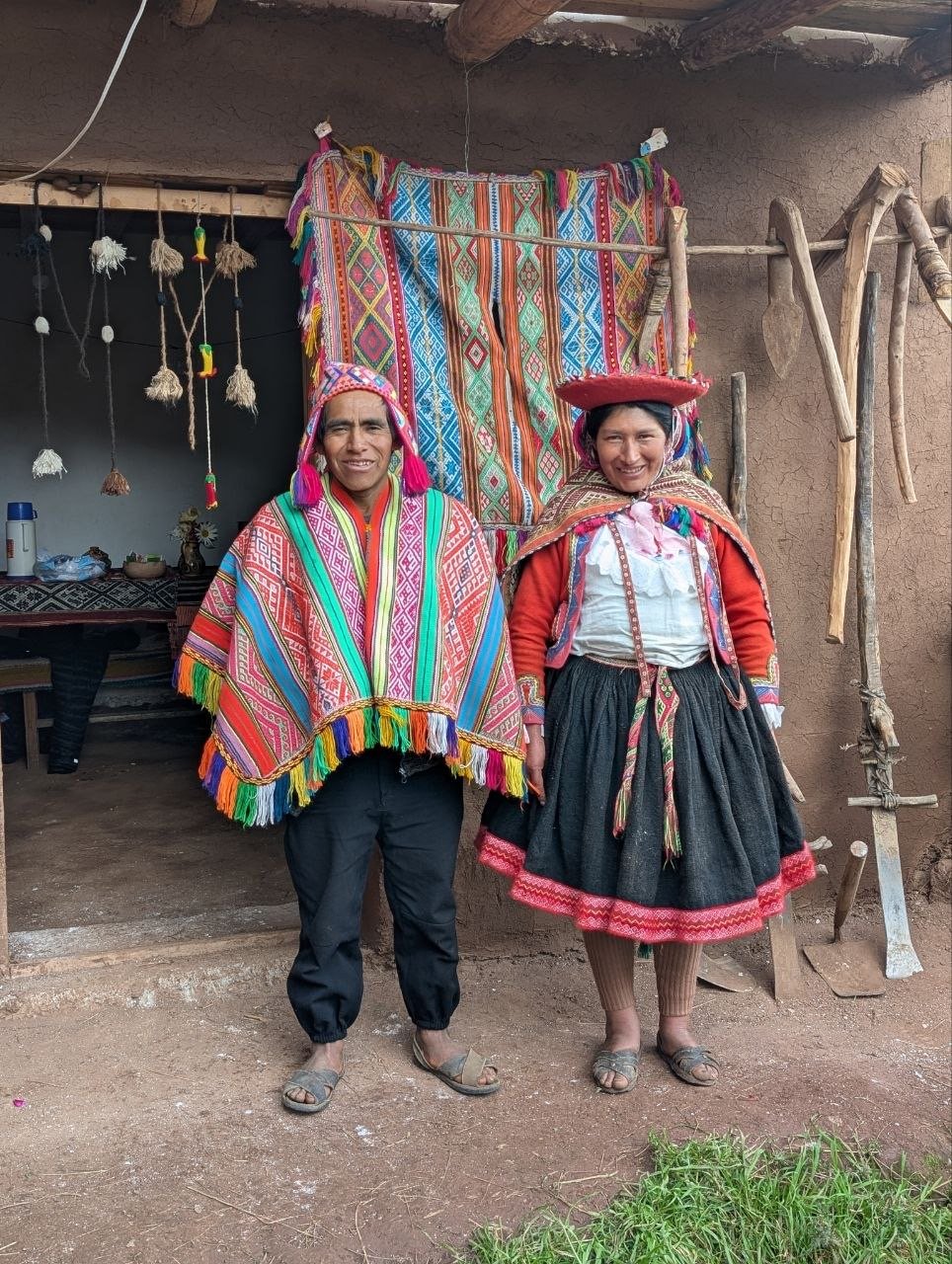
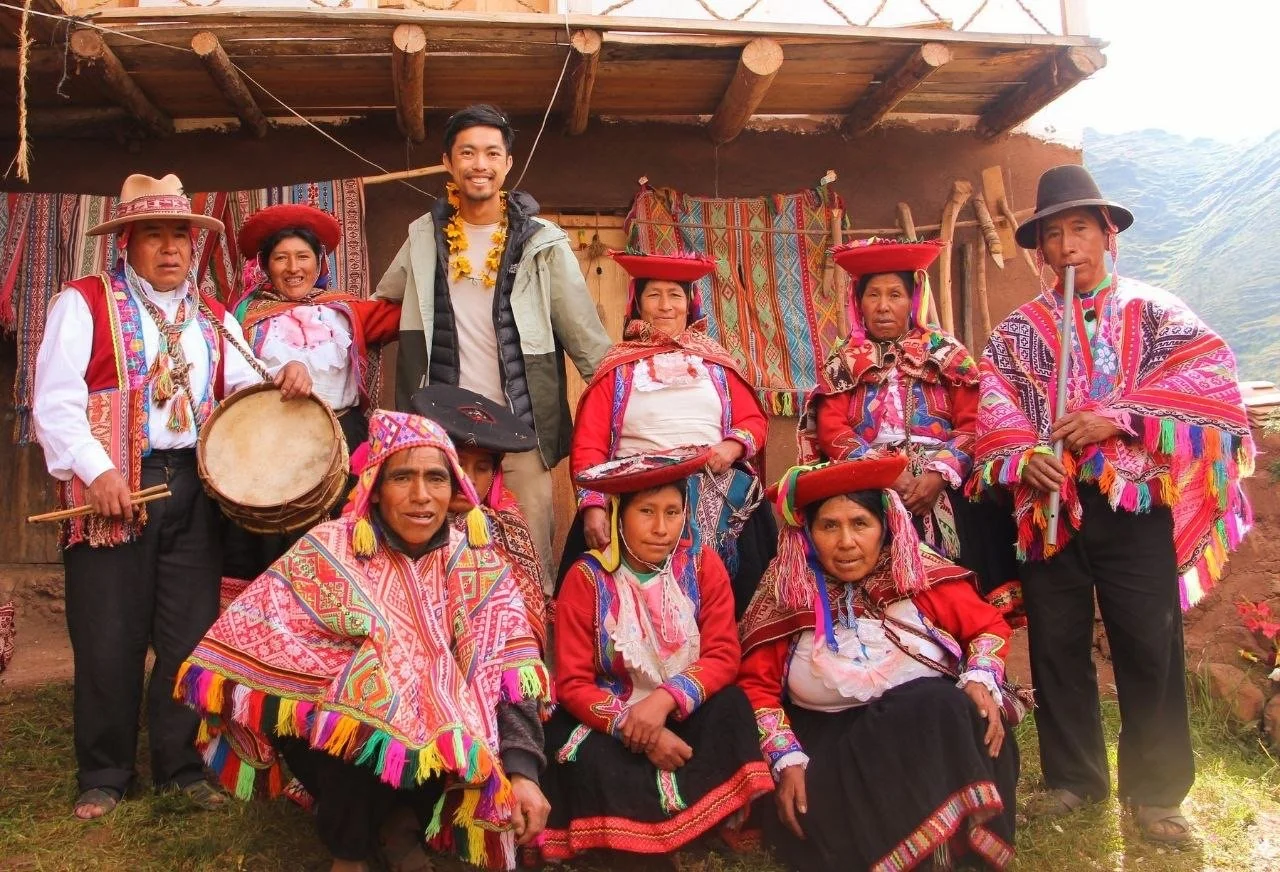
Two hours from Cusco, nestled at a breathtaking 12,238 feet above sea level, lies the rural community of Poques. As our vehicle pulls up to a modest family compound, I'm greeted by a cacophony of color and sound. The family has prepared a welcome ceremony, greeting us with traditional music, dance, and vibrant costumes that have remained unchanged for generations.
After introductions and learning a bit about each family member's background, we're ushered inside for breakfast. The simple meal of quinoa porridge, organic local fruits, and aromatic tea proves both delicious and energizing—perfect fuel for the day ahead.
A glimpse into Life in the Andes
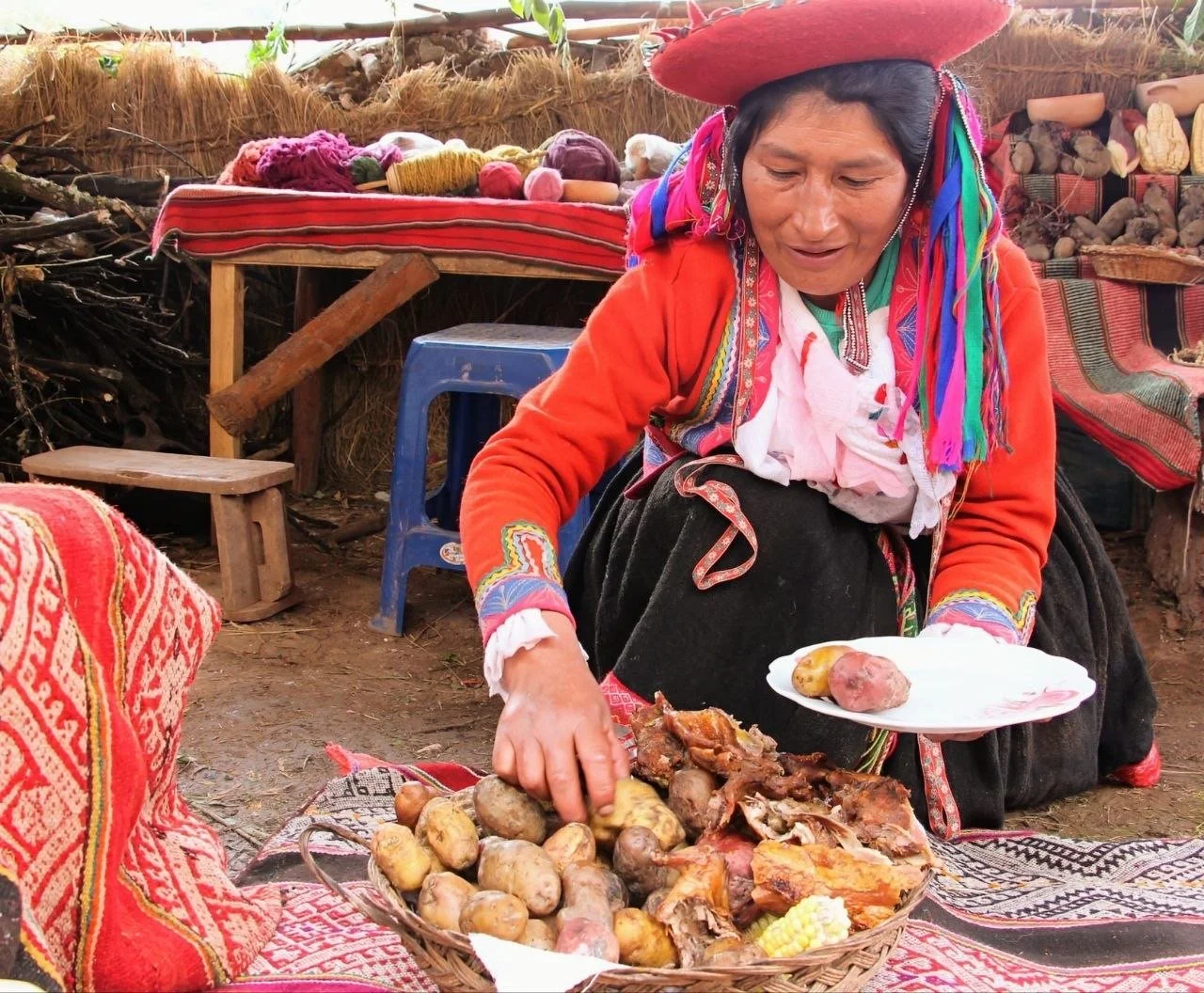
"This potato variety grows only above 13,000 feet," explains our host, pointing to a knobby purple tuber among dozens displayed on a woven cloth. I'm astounded by the biodiversity before me—corn in colors I never knew existed, and potatoes in more shapes, sizes, and colors than I could imagine. It's a living agricultural museum, and I'm beginning to understand why Peru is considered the Mecca of the potato.
Our host explains how each variety serves a specific purpose in their cuisine and how some, like the chuño (naturally freeze-dried potatoes), have been preserved using the same techniques since Inca times.
The Sacred Oven of Mother Earth
The highlight of the morning is participating in the preparation of Pachamanca, an underground barbecue. Hot stones have been heated since dawn, and I help layer potatoes and corn atop them before adding meat (vegetarian options are available). Once assembled, the earthen oven is carefully covered.
Before completing this process, our host performs a brief ceremony expressing gratitude to Pachamama (Mother Earth) for providing this nourishment. It's a simple yet profound moment that connects us to thousands of years of Andean tradition.
Hiking with Llamas
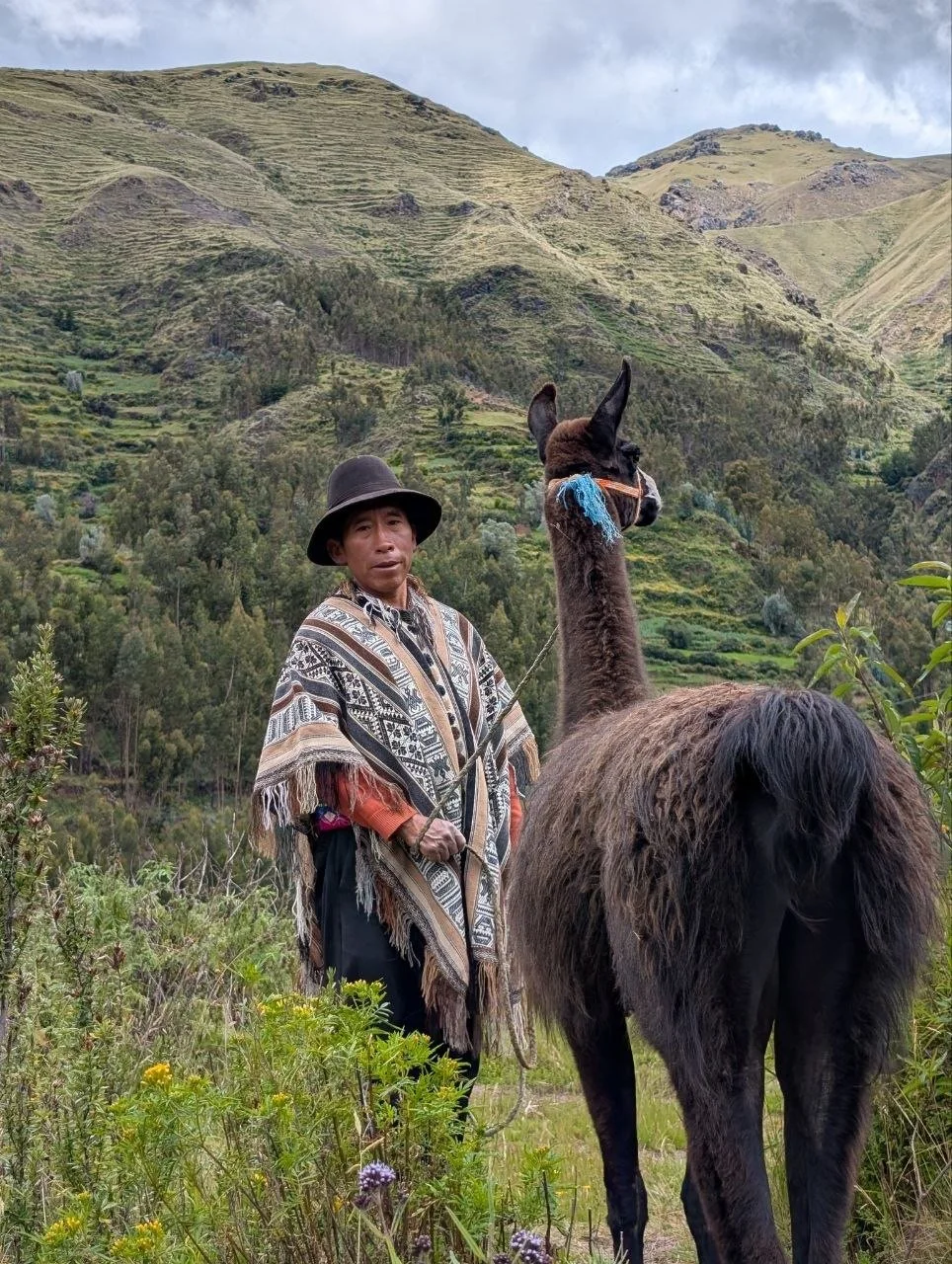
While our lunch cooks beneath the earth, the family rounds up their herd of llamas for a short hike. I'm paired with a black-coloured llama whose curious eyes and jumpy personality immediately win me over. Unlike some tourist experiences where animals are exploited, here we walk alongside the llamas, respecting their natural behavior.
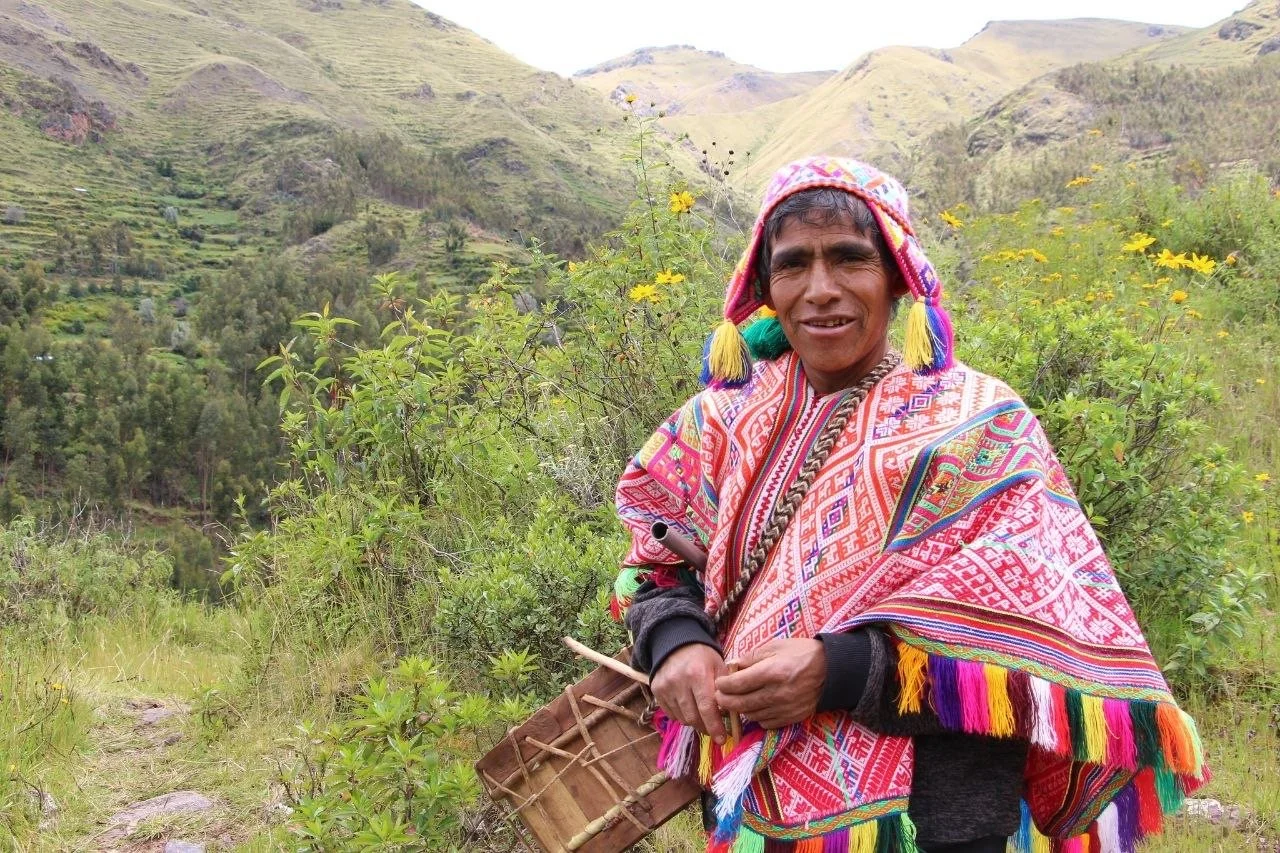
As we hike to a nearby viewpoint, our host shares stories of growing up in Poques. "When I was a child, there were no roads here," he explains. "We transported everything with llamas, and bartered for what we couldn't grow ourselves." I try to imagine this isolated existence, so different from our interconnected modern world.
Reaching the viewpoint, I'm rewarded with a panoramic vista of the valley below. Mountains tower above 4,000 meters on all sides, with patchwork fields and ribbons of rivers creating a living tapestry. The family spreads a picnic of local fruits, and we sit together overlooking this stunning landscape.
"Do you miss the old ways?" I ask our host.
He considers this thoughtfully before responding: "Life was harder then. But there is something we had back then that will always be valuable—a deep connection to the land and to each other."
A Feast from the Earth
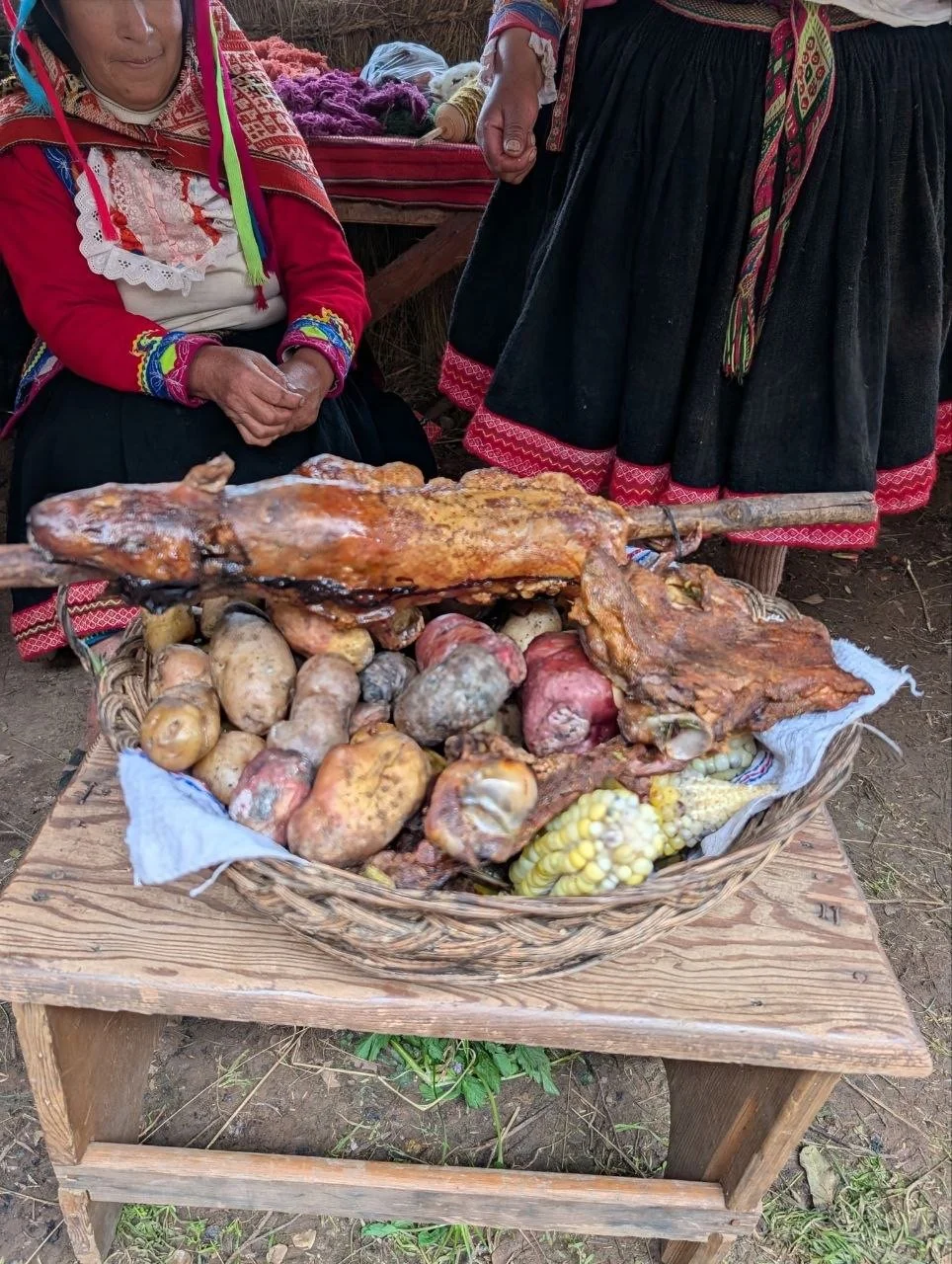
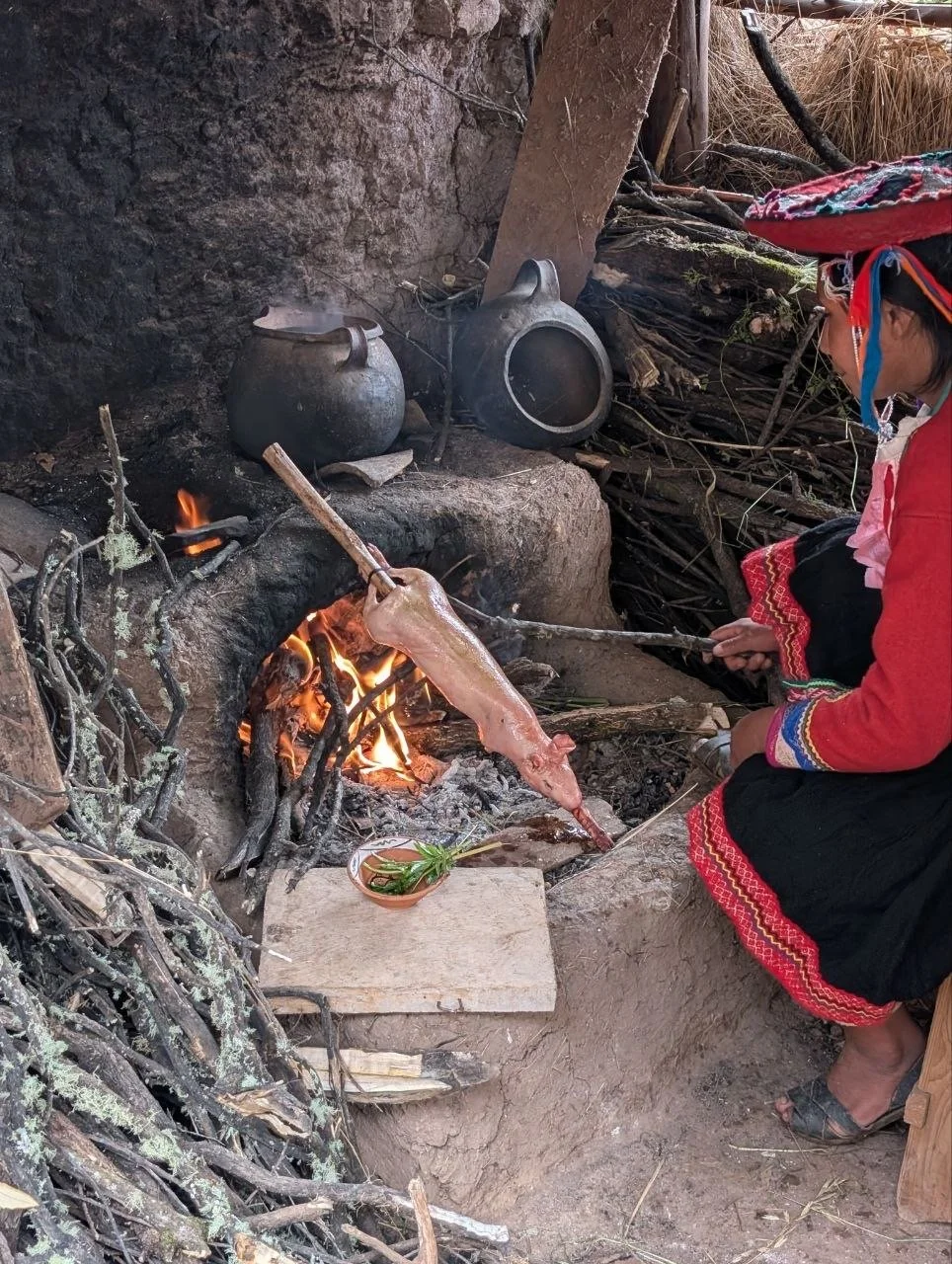
Returning to the family compound, I'm invited to try my hand at preparing traditional cuy (guinea pig)—a delicacy reserved for special occasions in their culture. I appreciate that nothing goes to waste in this self-sufficient lifestyle.
When the Pachamanca is unearthed, the aromas are intoxicating. Steam carries the scent of herbs and earth as perfectly cooked potatoes, corn, and meat emerge from their underground oven. We gather around a long table—family members, guides, and visitors—sharing this meal together as stories and laughter flow freely across cultures and languages.
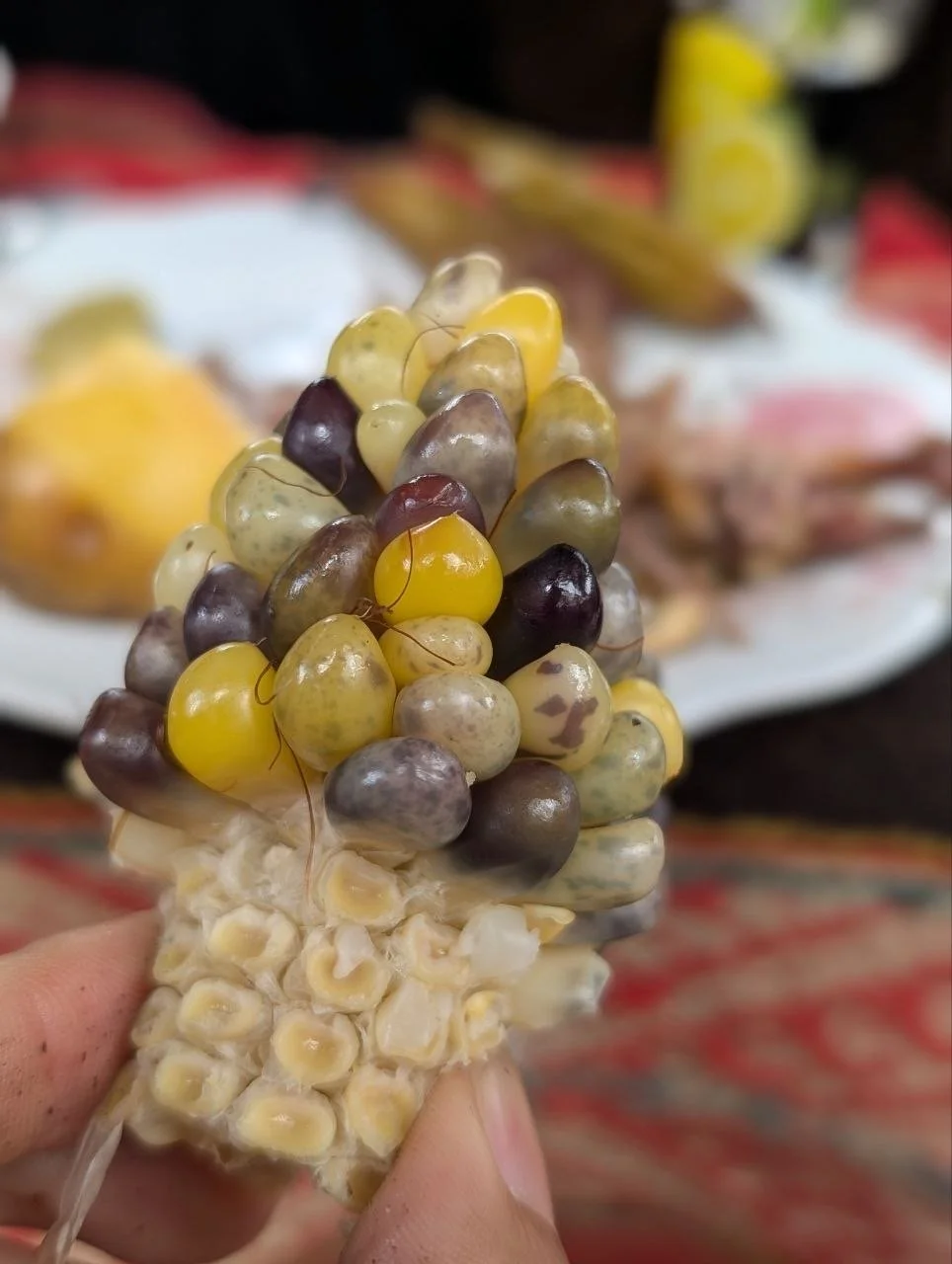
The food is extraordinary in its simplicity and depth of flavor. Each potato variety has a distinct taste and texture, and the meat is infused with herbs and the mineral essence of the hot stones. This isn't food as mere sustenance—it's a cultural expression, a connection to ancestry and place.
Threads of Tradition
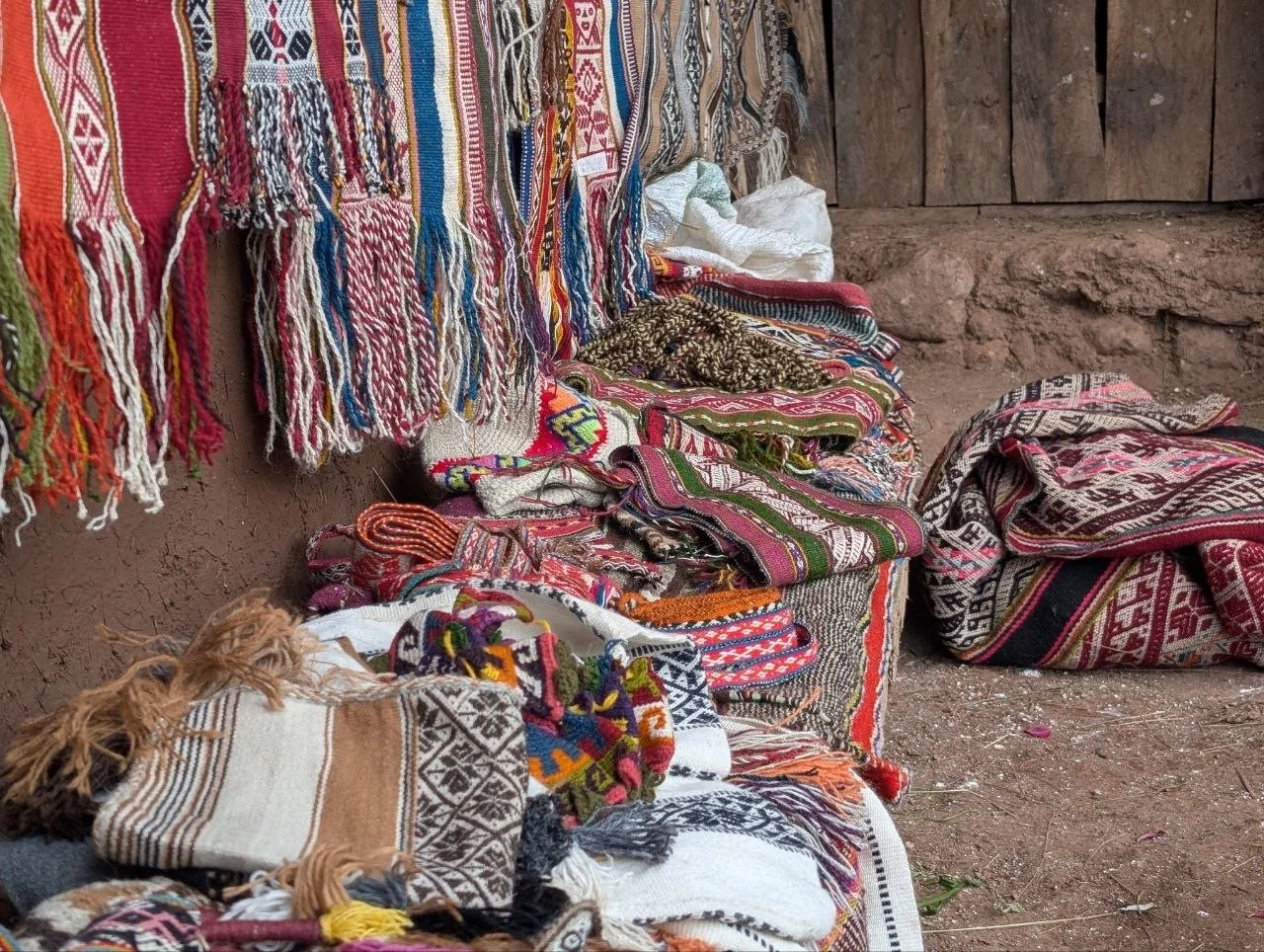
After lunch, we're shown the art of traditional Andean weaving. A family member demonstrates how natural dyes are created from plants, minerals, and even insects. The patterns being woven tell stories of local geography, agricultural cycles, and cosmology. I watch in awe as nimble fingers transform simple threads into intricate textiles using both ancient techniques and a hand-cranked loom.
Purchasing some of these textiles directly supports the local people and the preservation of their craft.
Reflections as the Day Ends
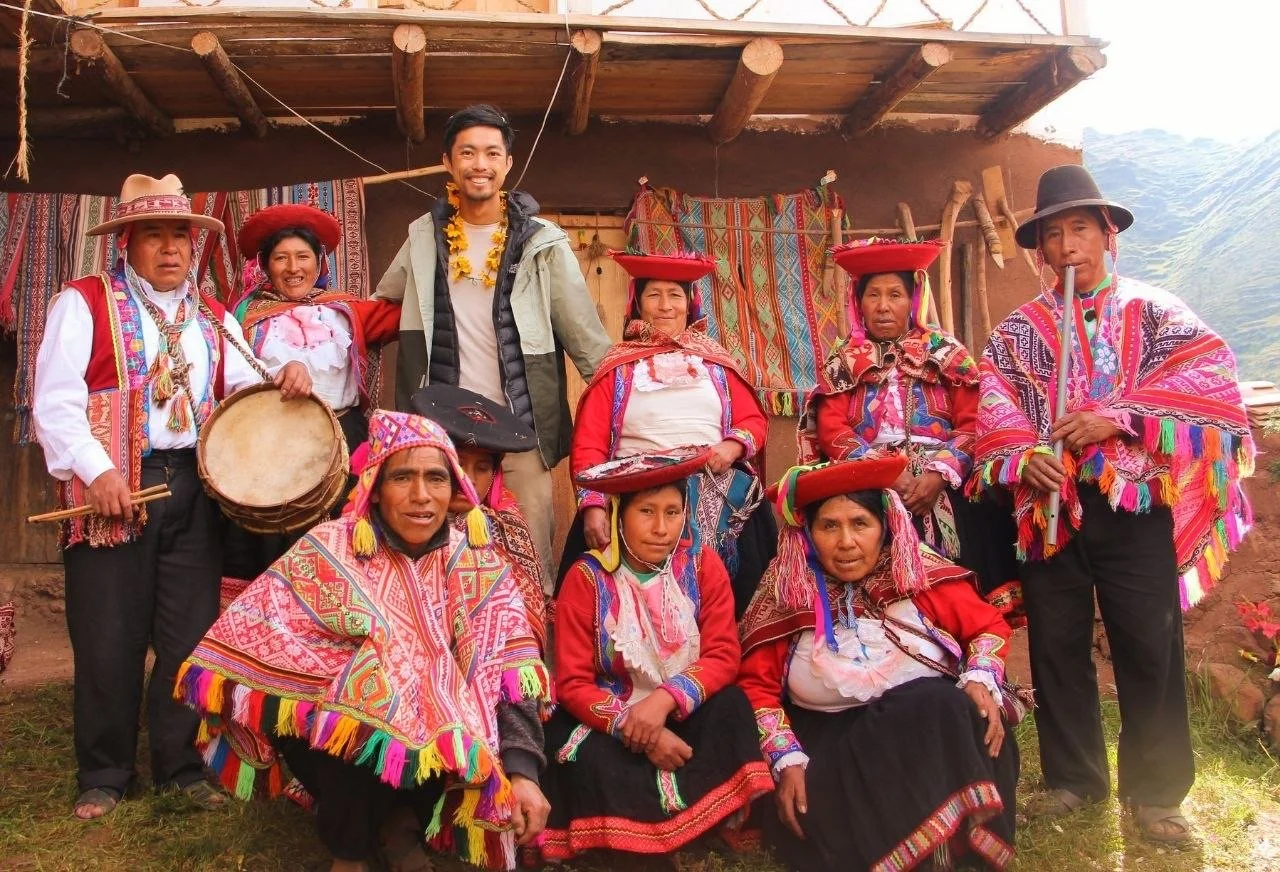
As we prepare to leave, the family organizes a farewell ceremony as heartfelt as their welcome. Hugs are exchanged, and I find myself surprisingly emotional. In just one day, these strangers have shared with me their home, food, and traditions with extraordinary generosity.
During the drive back to Cusco, I reflect on what makes this experience so different from conventional tourism. Rather than observing culture from a distance, we were invited to participate in it. Rather than a performance staged for visitors, we experienced genuine hospitality and cultural exchange.
While Machu Picchu remains magnificent and well worth visiting, this day in Poques revealed Peru's true treasure—its living culture and the warmth of its people. For travelers seeking authentic connections, I can't recommend this experience highly enough.
If You Go:
Pack layers—temperatures in the high Andes can range dramatically in a single day
Bring sunscreen and a hat—the sun is intense at high elevations
Respect the cultural practices and ask permission before taking photos
Consider altitude adjustment—Poques sits higher than Cusco, so ensure you're acclimated
Bring cash if you wish to purchase textiles or other handcrafts
Come with an open mind and heart—the most meaningful souvenirs will be the connections you make
This experience can be booked through Tunqui Expeditions, a responsible tourism operator in Cusco who works directly with rural communities to ensure fair compensation and cultural respect. I was invited to participate in this visit by Tunqui Expeditions